Dr Laura Murphy

EVIDENCE FOR WHAT HAPPENS NEXT

Understand crises
and disaster recovery.
Strengthen what
comes next.

Research and practical insight to help governments, councils and organisations make informed decisions about crises and disaster recovery and resilience.

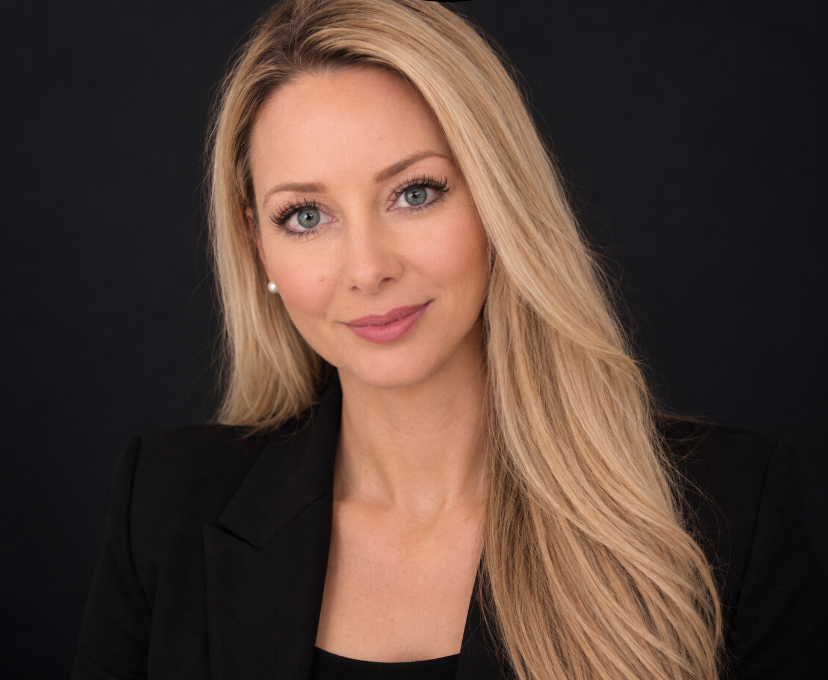
Dr Laura Murphy — photograph from her Squarespace website
“Knowing what happened is only part of the story.Understanding how people experienced it helps to shape what happens next.”
Dr Laura Murphy’s signature

Independent research,
better decisions.

Dr Laura Murphy’s work is designed to go beyond describing what happened, to understand why, how, for whom and under what conditions different outcomes emerge. Because the most useful evidence doesn’t simply tell us what happened. It helps explain why.

Disaster recovery Psychosocial resilience Organisational adaptation

+ THE CHALLENGE

The most important questions rarely have simple answers.

Organisations often have data, experience and stakeholder perspectives, but still lack a clear explanation of what is happening, why outcomes differ, where value is being created, or what should happen next.

When the issue is complex, measuring outcomes alone can leave the most important part of the story unexplained.

+ THE INSIGHT

Knowing what happened is only the beginning.

Understanding comes from examining how and why outcomes develop, the experiences, context, relationships, actions and conditions that shape what happens over time.

That is what turns evidence into understanding, and understanding into better decisions.

+ THE APPROACH

Laura works with government, local councils, businesses, communities, and research partners to design and deliver independent research, evaluation and strategic inquiry at the intersection of disaster resilience, psychosocial recovery, mental health and community wellbeing.

Her practice combines doctoral-level expertise in qualitative narrative and case study inquiry, processual analysis, reflexive thematic analysis and theory development with a commitment to ethical, trauma-informed research.

Each investigation is designed with careful consideration of participant wellbeing, informed consent, confidentiality, lived experience and applicable institutional and professional ethical requirements. This approach moves beyond describing what happened to developing defensible explanations of how and why change occurs. Depending on the questions, this may involve evaluating a program, investigating stakeholder or community experiences, examining why outcomes differ, reviewing evidence, identifying lessons, or translating how change unfolds over time.

Dr Laura Murphy’s engagement in your project guarantees the scientific rigour, contextual understanding, ethical oversight and methodological judgement required to establish what evidence means, why outcomes emerge and how findings should inform decisions.
+ THE APPLICATION

Research that informs
decisions and action.

Evidence and practical insight for the people shaping recovery, resilience and community wellbeing.

Government & councils

Inform social recovery planning, policy and investment with evidence about local needs, community experiences and the conditions shaping recovery.

Emergency management

Build understanding of psychosocial recovery and disaster resilience through research, reflective learning and post-event reviews.

Communities & organisations

Explore lived experiences, relationships and organisational capability to identify priorities and support sustainable recovery pathways.

Higher education & research

Collaborate on research, teaching and knowledge translation that connects rigorous inquiry with practical questions and community priorities.

01 / RESEARCH INTO PRACTICE

Clarity for complex
recovery challenges.

Understand experiences, examine how programs work and translate evidence into decisions that respond to local needs.

01

Recovery strategy
& planning

Connect community priorities, psychosocial needs and practical recovery conditions.

  • Social recovery strategies
  • Recovery planning and frameworks
  • Community needs and experience inquiry
02

Research
& evaluation

Build an evidence base for understanding implementation, experience and outcomes.

  • Qualitative research and evidence synthesis
  • Program evaluation design
  • Post-event and after-action reviews
03

Learning
& capability

Make research accessible and useful for people shaping recovery in practice.

  • Speaking and facilitated discussions
  • Research translation and briefings
  • Educational projects and collaboration

04 / RESEARCH MADE ACCESSIBLE

Evidence for everyday decisions.

Scientific research translated into practical insights for communities, governments, councils and recovery practitioners.

SPEAKING · EDUCATION · COLLABORATION

Bring a research perspective
to your next conversation.

Conference talks, sector briefings, educational projects and collaborative research.

Start a conversation ↗

05 / WORK WITH ME

What are you
working towards?

Tell me about the challenge, the people involved and the decisions you need to inform.

Laura@drlauramurphy.com

This form opens your email app with your enquiry filled in. Please send the email there to complete your enquiry.

+ FOLLOW

Keep up with Dr Laura Murphy